What is tenosynovitis?
Tenosynovitis is the long-term excessive friction of tendons, which causes damaging inflammation of tendons and tendon sheaths, causing swelling, which is called tenosynovitis. The tendon sheath is a double-layered, sleeve-like, sealed synovial tube that covers the outside of the tendon.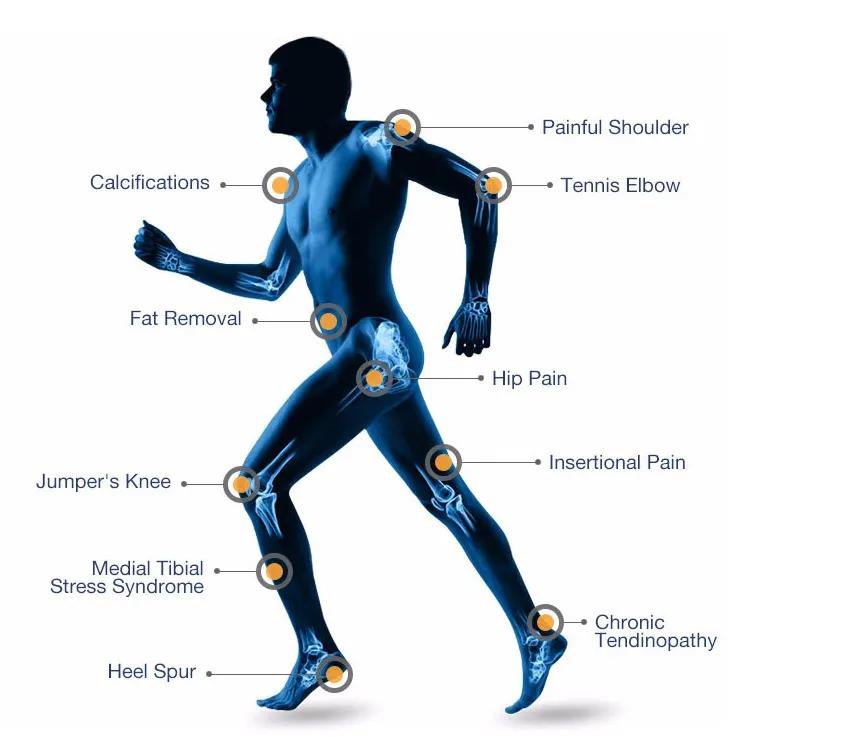
Causes of tenosynovitis
① Accumulated strain damage
The fingers are overworked, frequently flexed and extended, and the muscles are injured due to overuse. The flexor muscles are repeatedly rubbed and squeezed in the bony fibrous tube; when hard objects are held hard for a long time, the bony fibrous tube is squeezed by the hard object and the metacarpal head, resulting in the osseous fibrous tube. Local congestion and edema occur.
②Injury factors
The tendons and tendon sheaths are violently invaded, resulting in acute damage to the tendons and tendon sheaths, resulting in congestion, redness and swelling.
③Liver and kidney deficiency, insufficient Qi and blood
As age increases, the essence of the liver and kidneys declines, Qi and blood are insufficient, the areas around the fingers lose the nourishment of Qi and blood, the flexor tendons degenerate, and the synovial sheath secretion function decreases. Mild external stimulation can lead to local tendon sheath inflammation.
④Exogenous wind and cold
Fingers exposed to cold stimulation are also prone to tenosynovitis. Poor blood supply and stasis can lead to the onset of tenosynovitis, which is also an important factor in the occurrence of tenosynovitis.
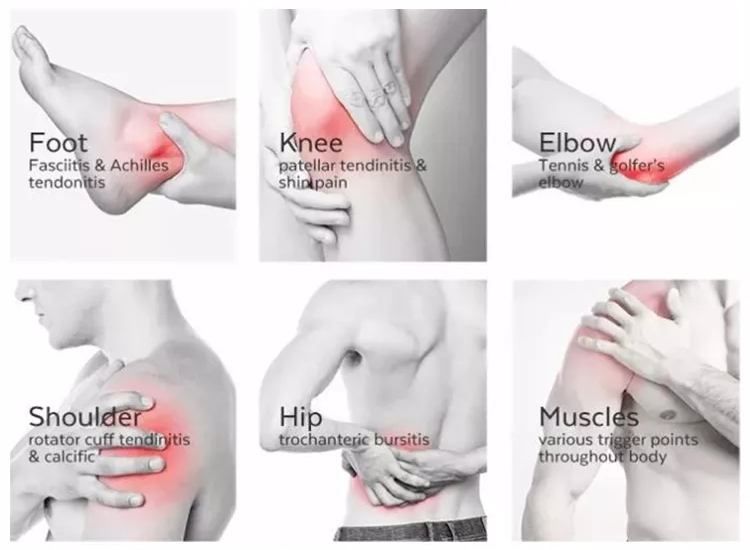
Symptoms of tenosynovitis
① Pain: Most people cannot clearly point out the location of pain, and there is soreness and swelling in the joints or inability to exert force during exercise.
②Local swelling: The affected tendon will have a cord-like bulge.
③Functional impairment: Tenosynovitis that occurs in the wrist of the upper limb often affects force production and may cause movement deformation.
Treatment options for tenosynovitis
In the early stage or with mild symptoms: use local braking to reduce the movement of the fingers so that the local area can rest; secondly, you can also use hot compress or physical therapy.
For patients with obvious symptoms and severe pain: intrathecal corticosteroids such as hydrocortisone acetate, triamcinolone acetonide or prednisolone acetate can be used for local sealing treatment, and most conditions can be relieved.
For long-term disease and repeated attacks: surgical release can be performed. Under local anesthesia, the narrow tendon sheath can be surgically incised and partially resected so that the tendon sheath no longer squeezes the tendon.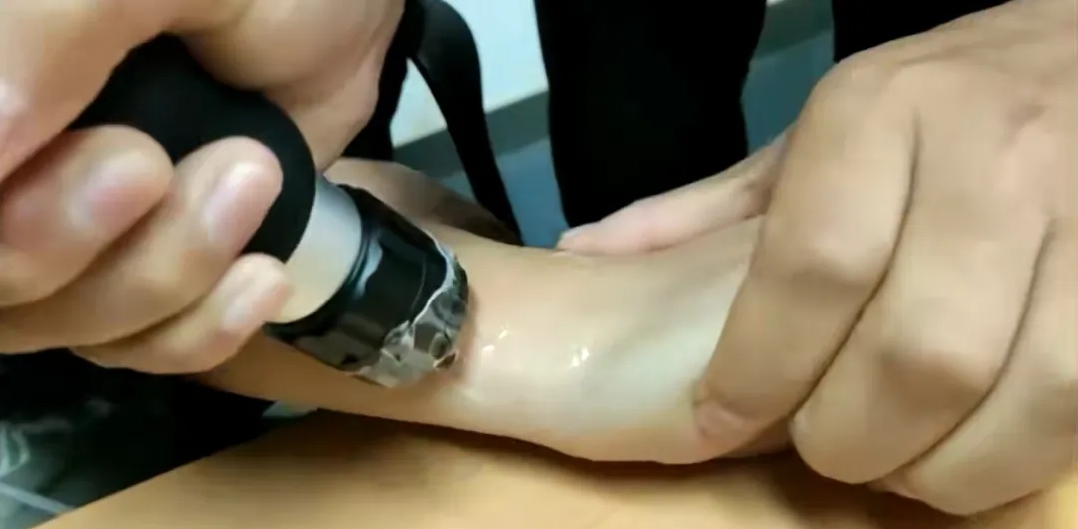
Non-invasive treatment
The most commonly used non-invasive treatment is the pneumatic ballistic shock wave therapy device. Its working principle for treating tenosynovitis is that compressed air drives the bullet in the barrel to move at high speed, hits the treatment probe, generates shock waves and conducts them into the tissue, releasing energy. Through a series of biological effects, Activates the body's self-repair process and produces good therapeutic effects on injuries, adhesions, and tendon calcifications of human skeletal muscles and other tissues.
[Warm reminder] The content of this article is reproduced. This article is only for relevant people with medical majors to read and browse. This article is only for academic exchange and not for any commercial purposes.
[Copyright Statement] Some of the pictures and text materials in the article may come from the public network. If it constitutes infringement for you, please contact us to process or delete it, otherwise we will not bear any responsibility.
[Communication and Processing] If the reprinted content involves copyright and other issues, please contact us immediately and we will quickly take appropriate measures to protect the rights and interests of both parties. Thank you.


