Categories
The Basics of Shockwave Therapy
Shockwave therapy, also known as extracorporeal shockwave therapy (ESWT), involves the use of acoustic waves to treat a range of conditions. These acoustic waves are high-energy sound waves generated by a device and applied to the body's affected area.
Case Details
When it comes to innovative treatments for various medical and musculoskeletal conditions, shockwave therapy is gaining attention. But what exactly does shockwave therapy do? Let's explore the fascinating world of this cutting-edge technology.The Basics of Shockwave TherapyShockwave therapy, also known as extracorporeal shockwave therapy (ESWT), involves the use of acoustic waves to treat a range of conditions. These acoustic waves are high-energy sound waves generated by a device and applied to the body's affected area.How Does It Work?Shockwave therapy works through several mechanisms:Pain Reduction: Shockwaves stimulate the body's natural healing processes, which can help reduce pain and inflammation. It's often used for conditions like plantar fasciitis, tendonitis, and muscle pain.Tissue Regeneration: The energy from the shockwaves can enhance blood circulation and promote the growth of new blood vessels, leading to improved tissue regeneration. This is particularly beneficial for chronic wounds and non-healing ulcers.Breakdown of Calcifications: Shockwaves can break down calcifications or deposits of calcium in soft tissues. This is valuable in treating conditions like kidney stones and calcific shoulder tendinopathy.Stimulating Collagen Production: In aesthetic medicine, shockwave therapy is used to stimulate collagen production, which can improve skin texture and reduce the appearance of cellulite.
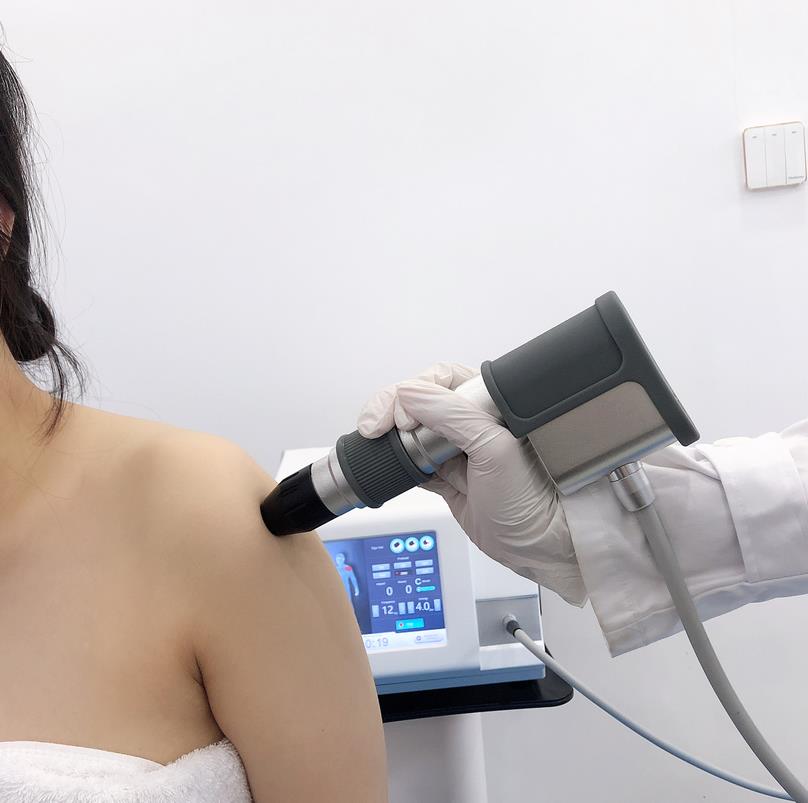 Conditions Treated with Shockwave TherapyShockwave therapy is versatile and can be used to address various medical conditions. Some common applications include:Musculoskeletal Disorders: It's widely used to treat musculoskeletal conditions such as tennis elbow, golfers elbow, rotator cuff tendinopathy, and Achilles tendonitis.Chronic Pain: Patients with chronic pain conditions like lower back pain and myofascial pain syndrome can benefit from shockwave therapy.Orthopedics: Orthopedic surgeons often use shockwave therapy to treat fractures that are slow to heal.Urology: In urology, shockwave therapy is employed to break down kidney stones, making them easier to pass or be removed.Aesthetics: In the beauty and aesthetics field, shockwave therapy is utilized for cellulite reduction, skin tightening, and improving the appearance of scars.
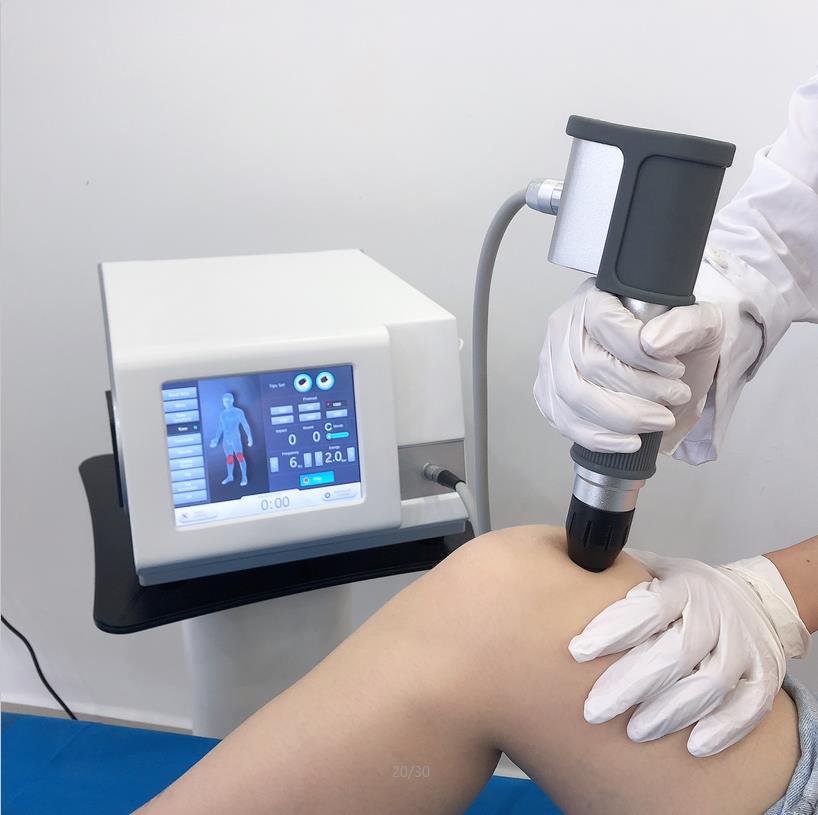 Topic Related Question: Is Shockwave Therapy Painful?Shockwave therapy is generally well-tolerated, with most patients experiencing only mild discomfort during treatment. The sensation is often described as a repetitive tapping or thumping feeling at the treatment site. However, the level of discomfort can vary depending on the individual's pain threshold and the area being treated.In conclusion, shockwave therapy is a versatile and innovative treatment that utilizes acoustic waves to address a wide range of medical and musculoskeletal conditions. Its non-invasive nature and minimal side effects make it an attractive option for many patients seeking pain relief and healing. If you're considering shockwave therapy for a specific condition, it's advisable to consult with a healthcare professional to determine its suitability for your needs.


